



Thinaer Blog
Smarter production decisions and AI initiatives
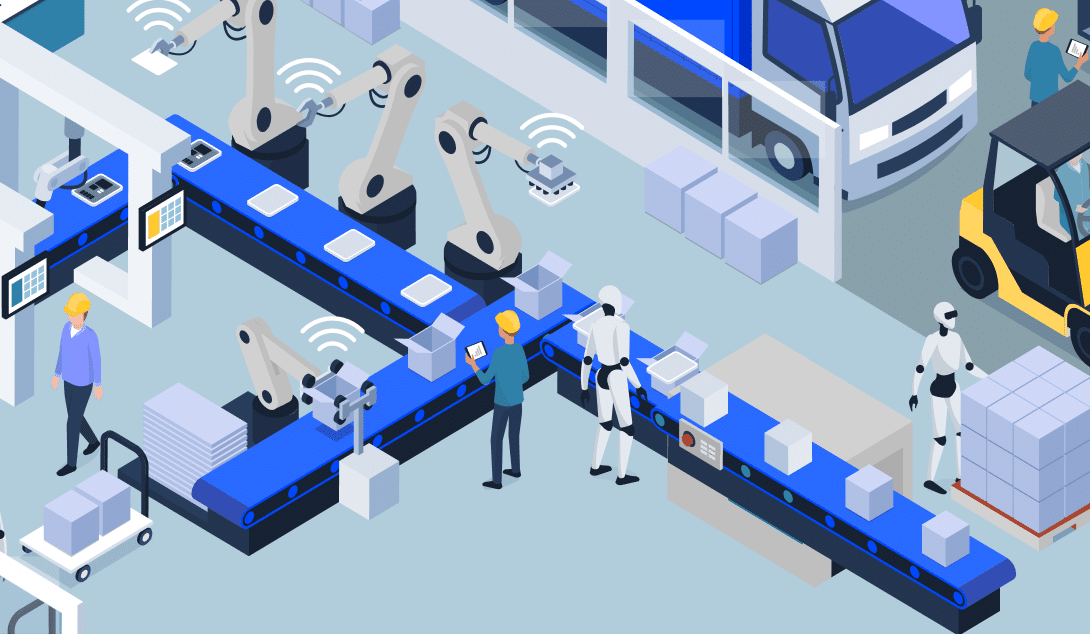
Real-Life Applications of Digital Twin Technology
By Michael Rivera, PhD Digital twin technology is one of the emerging technologies companies leverage to manage their products, services, and operations. Even though it is a new field, some companies are already using digital twin models to get things done...

4 Emerging Technologies to Watch Out for in 2023 and Beyond
By Michael Rivera, PhD Acceleration in digital transformation has changed consumers’ expectations. People are increasingly reliant on technology. In response, organizations are working hard to stay on top of their games with innovative technology solutions. There is...
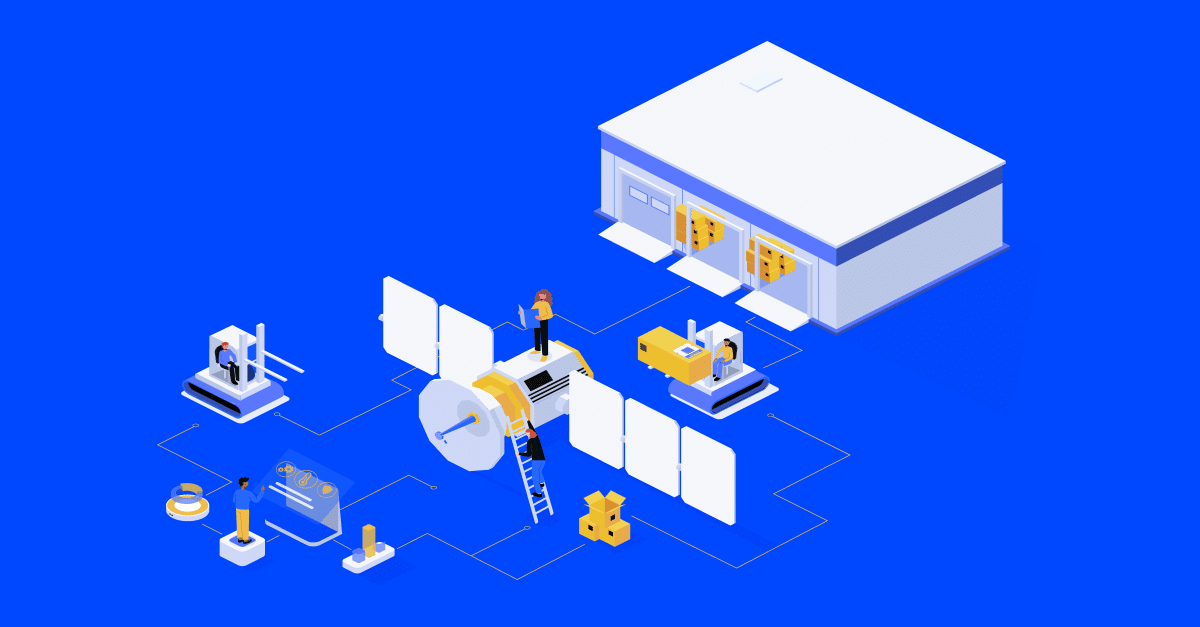
Benefits of Transforming Your Product Development Process With Technology
By Michael Rivera, PhD The digital economy is fast-changing and super competitive. Companies that thrive and lead in every industry stay ahead of others by creating innovative products that are difficult to ignore. Offering great products is one of the core parts of...
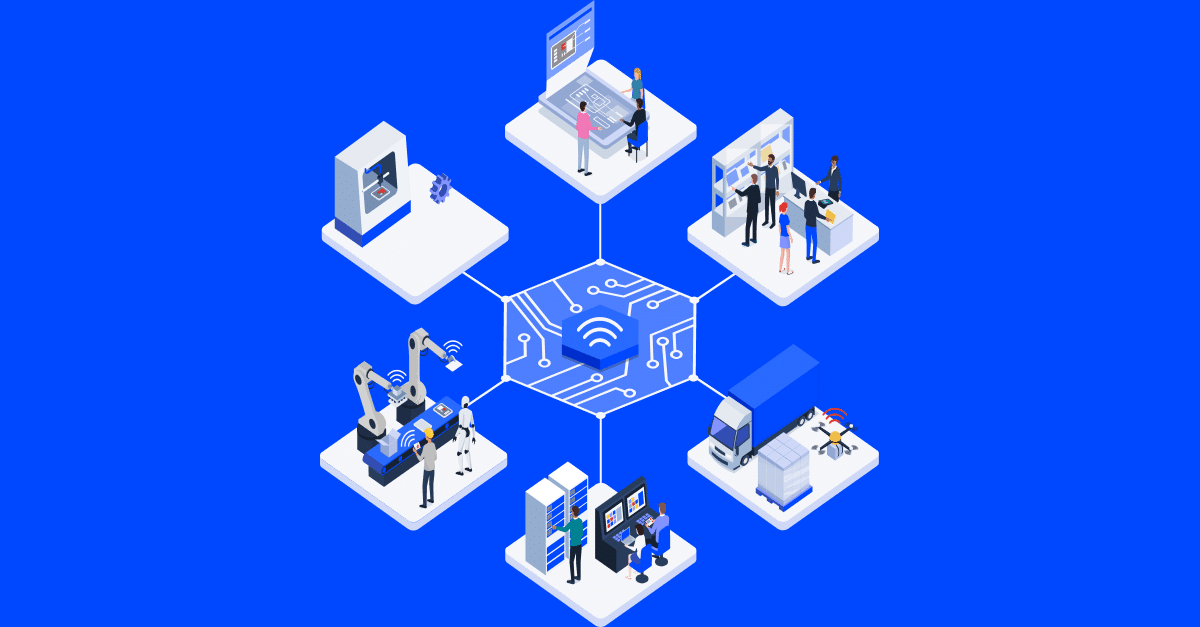
4 Ways IoT Can Transform Your Business
By Michael Rivera, PhD The Internet of Things (IoT) is a cutting-edge technology transforming the digital world rapidly. Organizations globally leverage the possibilities of IoT to build one-of-a-kind products & services, improve productivity, and thrive...

How Digital Transformation Can Improve Customer Experience
By Michael Rivera, PhD The business world is fast-changing and super competitive. Companies across the globe face the challenge of attracting and keeping customers. Due to increasing competition, acquiring customers has become more challenging than ever. And after...
What is a Digital Twin?
What is a Digital Twin? A digital twin is a representative of an intended or actual real-world physical product, person, place, system, or process. The digital replica serves as the effectively indistinguishable digital version, which can be used for various purposes,...

Digital Transformation: 5 Common Mistakes to Avoid
By Michael Rivera, PhD The COVID-19 pandemic caused a massive acceleration in digital transformation (DT). The event distorted the day-to-day activities of people and organizations. The global-wide lockdowns forced companies to use technology to run operations and...

Digital Transformation in Manufacturing: Making the Most of Industry 4.0
By Michael Rivera, PhD Manufacturing companies leverage advanced automation, data, and other industry 4.0 solutions to streamline operations and improve productivity. There are smart machines that have made manufacturing processes a lot easier and cost-effective....

4 Questions for Business Leaders Considering an IoT-Led Digital Transformation
By Michael Rivera, PhD Many more organizations are realizing the importance of connected environments. And using the Internet of Things (IoT) to drive digital transformation is the way forward. But digital transformation means different things to different businesses....

Leveraging Big Data to Transform the Aerospace Industry
By Michael Rivera, PhD Data has always been integral to the aerospace industry. From early aviation to modern aerospace manufacturing technology, data has played a critical role in decision-making, safety, and operational efficiency. However, the amount and complexity...

Industrial IoT as an Enabler for Digital Transformation Evolution
By Michael Rivera, PhD Digital transformation involves leveraging digital technologies to create or modify business operations to meet market demands. But technologies are advancing quickly while market requirements and consumer demands are becoming more dynamic...

Diversity in Action: Thinaer’s Hiring Process
Thinaer has been making constant efforts to do our due diligence in driving a diverse, equitable, and inclusive workplace! Check out how we've updated our hiring approach to accomplish that, and more: Read the article
Accelerating Digital Transformation Through Employee Experience
By Michael Rivera, PhD For most companies, enhancing customer experience has been the primary end goal for digital transformation. Businesses want to differentiate themselves in the market using Machine Learning (ML) to gather and analyze data. IoT solutions then help...
What Data is Powering Your Digital Transformation?
By Michael Rivera, PhD What companies come to mind when you hear the word “data?” For many people, data is directly correlated with tech giants like Google, Amazon, and Facebook. These companies heavily rely on user data for advertising and marketing. The data...
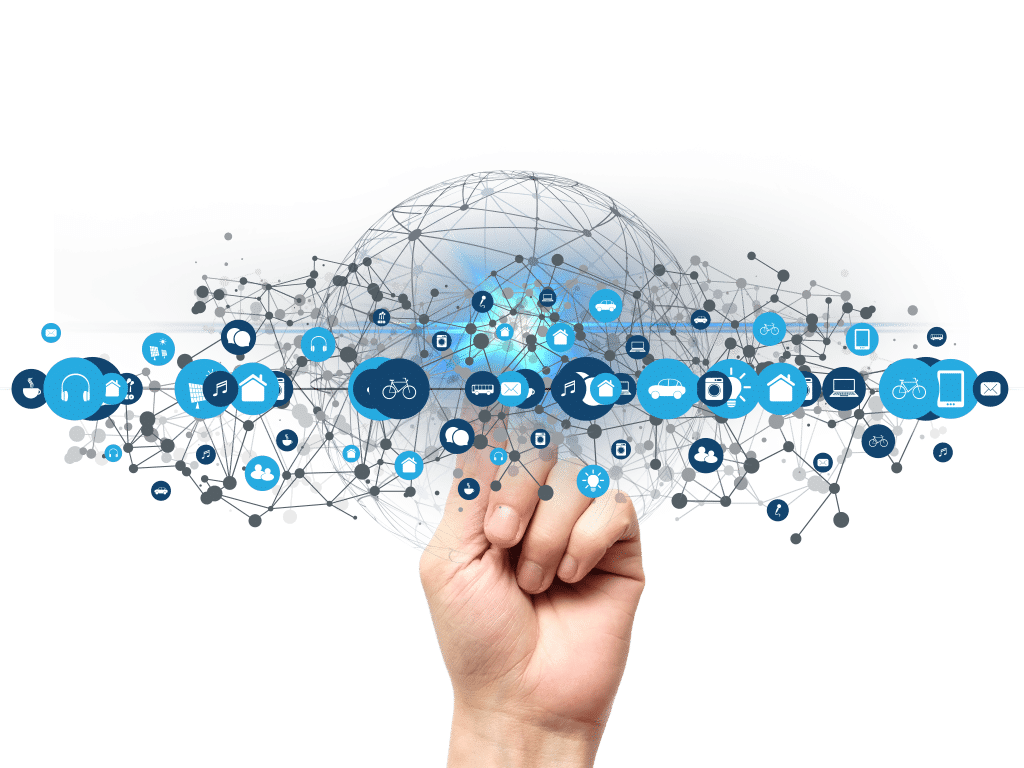
Understanding IoT’s Impact on the 4 Tiers of Digital Transformation
By Michael Rivera, PhD Digital technologies offer a vast array of possibilities, making digital transformation the best way to prepare your company for the future. Unfortunately, the biggest challenge for enterprises is not having a comprehensive knowledge of what...
Find Your Blind Spots
Free 30-Minute Blind Spot Workshop
Thinaer gives you a roadmap to connectivity and helps you identify your blind spots, walk you through how to look over your factory floor, identify what areas and equipment are collecting data manually, what’s still analog, and what is connected.