by Humberto De Santiago | Jul 2, 2026 | Blog
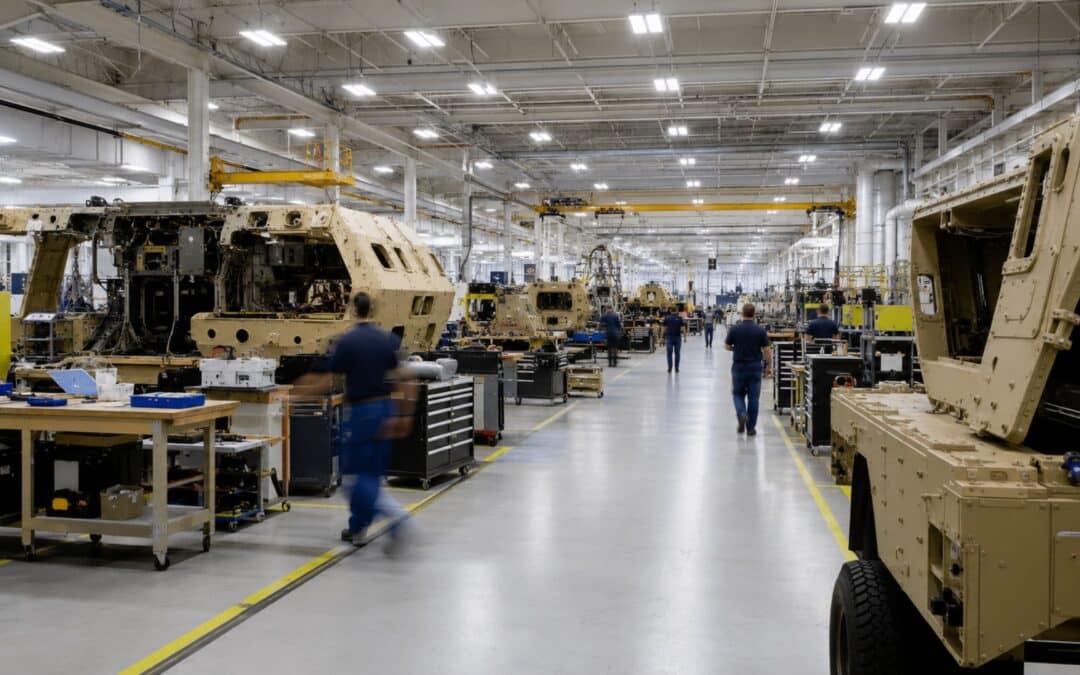
Most AI in operations stalls for the same reason. The model is fine. The strategy is reasonable. Even the pilot even works in the demo. Then it meets the actual factory floor, hospital wing, or shipyard — and it can’t see anything that matters. It reasons from a...
by Beverly Lwenya | Jun 29, 2026 | Blog
Every release of Sonar comes down to the same question. Can an operations team see more of what is happening on their floor, and act on it sooner? Sonar Web 6.1.0 answers yes on three fronts. It captures new kinds of signal from the physical world, makes that signal...
by Humberto De Santiago | Jun 29, 2026 | Blog
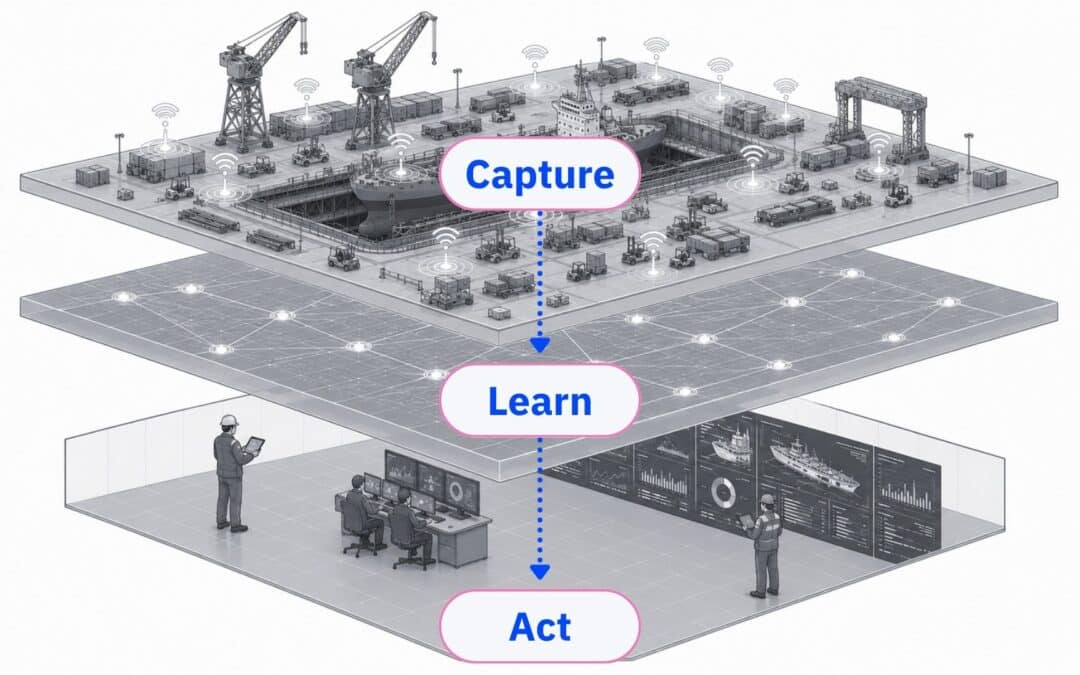
Every wave of enterprise technology has had a foundational architecture. For cloud, it was virtualization. For analytics, it was the data warehouse. For the current wave of AI in physical operations, the architecture has a name: Capture, Learn, Act. This is the...
by Humberto De Santiago | Jun 26, 2026 | Press
New sensor types, an expanded map experience (beta), and broader data export extend Sonar’s day-one visibility and strengthen the AI-ready data foundation underneath it. DALLAS, June 24, 2026. Thinaer, the Physical AI capture layer, today released Sonar Web...
by Humberto De Santiago | Jun 25, 2026 | Blog
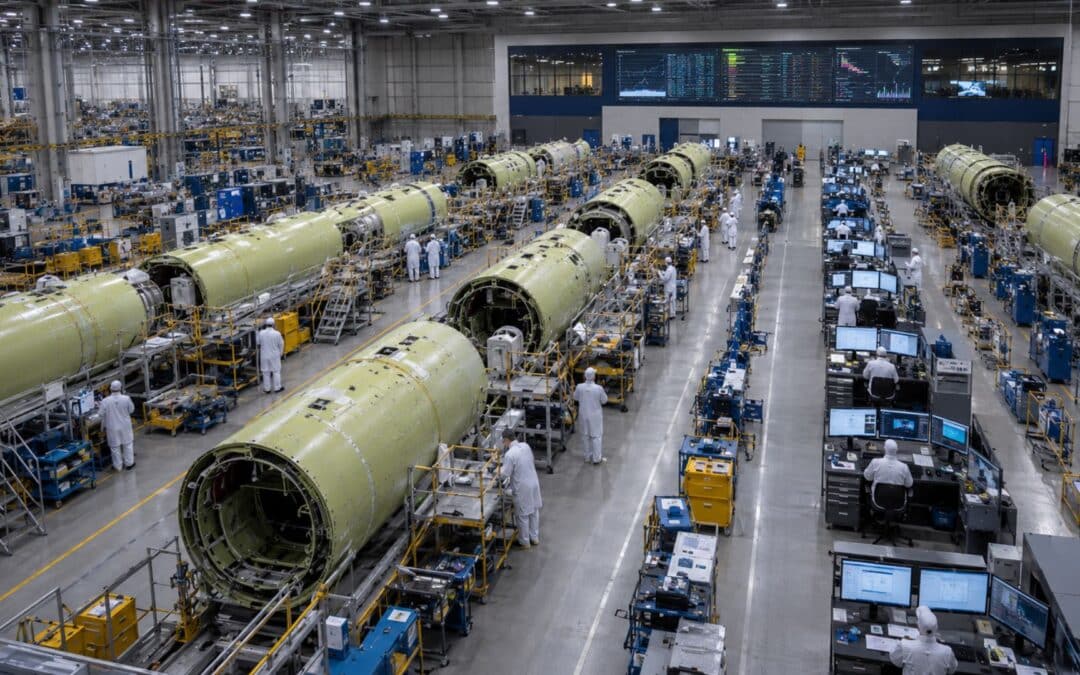
Everyone says IT/OT convergence is the goal. Fewer people explain what it requires to get there — and almost no one talks about why so many attempts stall before they produce anything useful. The answer, in most cases, comes down to data. Specifically, to whether the...
by Humberto De Santiago | Jun 22, 2026 | Blog
You’ve probably started hearing the term “Physical AI” show up in conversations about manufacturing, defense, and industrial operations. NVIDIA uses it. Technology analysts use it. And now it’s appearing in vendor materials everywhere. The...