



Thinaer Blog
Smarter production decisions and AI initiatives
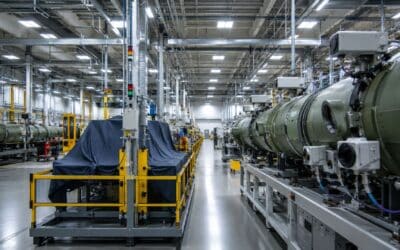
Where a Capture-Layer Vendor Fits Inside Your Zero Trust Architecture
Zero trust programs are becoming mandatory, not optional, under CMMC and DoD mandates. Once that shift happens, every connected device has to justify its place inside the architecture. That includes the sensors and gateways an IoT vendor puts on your floor. This isn't...
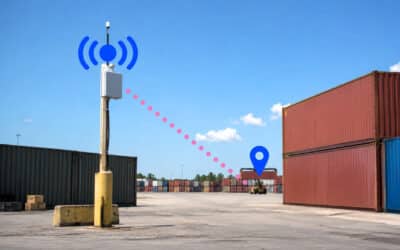
LPWAN Explained: Choosing Between LoRaWAN, NB-IoT, and Satellite IoT
Evaluating connectivity for a distributed, outdoor, or remote deployment usually means running into three unfamiliar acronyms at once: LoRaWAN, NB-IoT, and increasingly, satellite IoT. All three fall under LPWAN — low power wide area network. It's the category of...
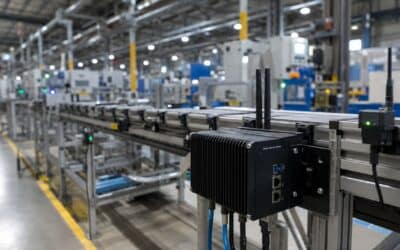
Industrial Edge AI Is Reshaping Decision-Making — What It Actually Requires
You've got budget approved for an edge AI pilot. A vendor is promising real-time predictive maintenance or quality control right at the machine. No cloud round-trip required. Before you sign anything, it's worth asking what actually changed in 2026 to make this...

Schneider’s $3.1B Bet on Industrial Data Contextualization
Schneider Electric just agreed to pay $3.1 billion, in cash, for Cognite — a company most manufacturers had never heard of a month ago. The deal, announced June 30, 2026, is still pending regulatory approval. But the price tag alone says something worth sitting with:...
AI Data Leakage: What the Grok Build Leak Actually Proves
In July 2026, a security researcher pointed a wire-tap at xAI's Grok Build coding tool. The finding was specific. The model needed 192 kilobytes to answer the coding question. The tool uploaded 5.10 gigabytes of the developer's full codebase to xAI's cloud storage...

Capture Layer Meets Cloud Intelligence: How Physical AI Pairs With Microsoft Azure
Most Azure customers aren't short on AI and analytics horsepower. Power BI, Azure IoT Hub, Azure AI — the tooling is there. What's usually missing is the thing feeding it: real operational data from the physical floor, in a structured form those tools can actually...
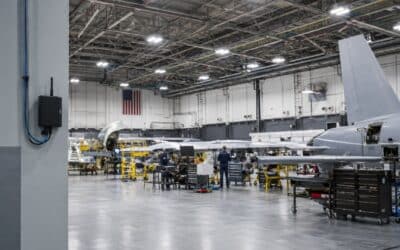
AI in Classified Environments: How Physical AI Starts Inside the Boundary
Every defense program office has had some version of this conversation: "We'd love to use AI here, but we're classified." It sounds like a policy problem. It isn't. The real blocker is that nobody has been able to capture structured operational data inside the...
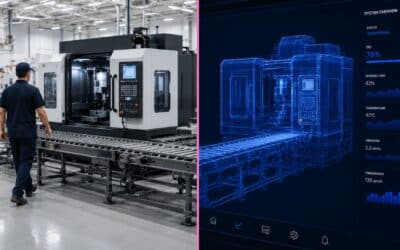
Digital Twins Need a Pulse: Why Physical AI Capture Is the Missing Layer
A digital twin can show a machine running at full utilization. On the actual floor, that same machine has been idle for twenty minutes. The dashboard isn't lying on purpose — it's working from the last data it received, and nobody told it the situation changed. This...

Executive Operations Reporting Fails Without a Capture Layer
A board meeting. A slide shows "94% operational efficiency" rolled up across the network. Someone asks how the number is calculated. Nobody in the room can answer with confidence. That's not a dashboard problem. It's what operational reporting quietly becomes once it...

AI Troubleshooting in Manufacturing Only Works When the Capture Layer Does
A line goes slow, a batch fails QC, output drops for no obvious reason — and someone points an AI tool at the operations data and asks it why. Increasingly, that's the first move: teams are adopting or piloting AI troubleshooting tools precisely because manual...
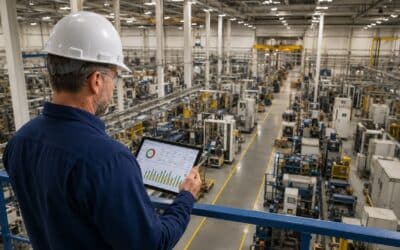
Beyond the MES Trap: How Physical AI Capture Closes Manufacturing’s Visibility Gaps
Most manufacturers reach the same conclusion once an MES (Manufacturing Execution System) is up and running: "we have visibility now." The system tracks work orders. It logs quality checks. It shows the schedule on a screen. The visibility problem feels solved. It...
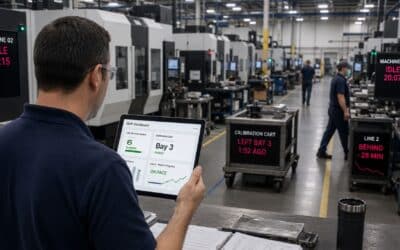
Manufacturing Visibility Starts on the Shop Floor: The Capture Layer Behind Physical AI
A plant manager pulls up the shift dashboard. According to the screen, six CNC machines are running, the calibration cart is parked in bay 3, and work-in-progress on line 2 is on pace. None of that matches what's actually happening on the floor right now — two of...
Industrial IoT Sensors: A Guide to Types and Technologies
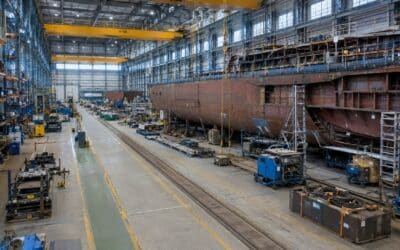
Search "industrial IoT sensors" and you'll find plenty of lists: temperature sensors, vibration sensors, pressure sensors, proximity sensors. Useful, but incomplete. Knowing what a sensor measures doesn't tell you whether that data will actually make it off the floor...
How Unstructured Data Becomes AI-Ready Data
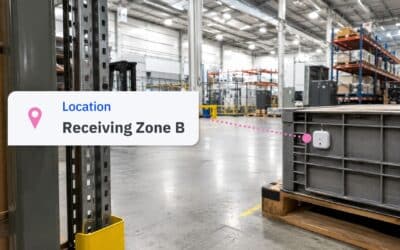
Most operations teams don't have a shortage of data — they have a shortage of usable data. Sensors are logging vibration, location, and temperature every second, cameras are capturing footage nobody reviews, and machines are throwing off status codes nobody's parsing....
AI Can’t Fix What It Can’t See
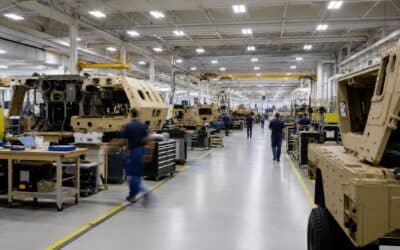
Most AI in operations stalls for the same reason. The model is fine. The strategy is reasonable. Even the pilot even works in the demo. Then it meets the actual factory floor, hospital wing, or shipyard — and it can't see anything that matters. It reasons from a...
Find Your Blind Spots
Free 30-Minute Blind Spot Workshop
Thinaer gives you a roadmap to connectivity and helps you identify your blind spots, walk you through how to look over your factory floor, identify what areas and equipment are collecting data manually, what’s still analog, and what is connected.